Lawn Mowers
Walk-behind, self-propelled, zero-turn, and reel mowers sized to the lawn you actually have — not the one in the brochure.
Quick answer
Start with your lot, not a brand badge: size, slope, noise limits and any battery platform you already own decide the mower. This desk covers walk-behind, push and zero-turn machines, and a zero-turn only makes sense on open, fairly even ground with a garage bay to park it.
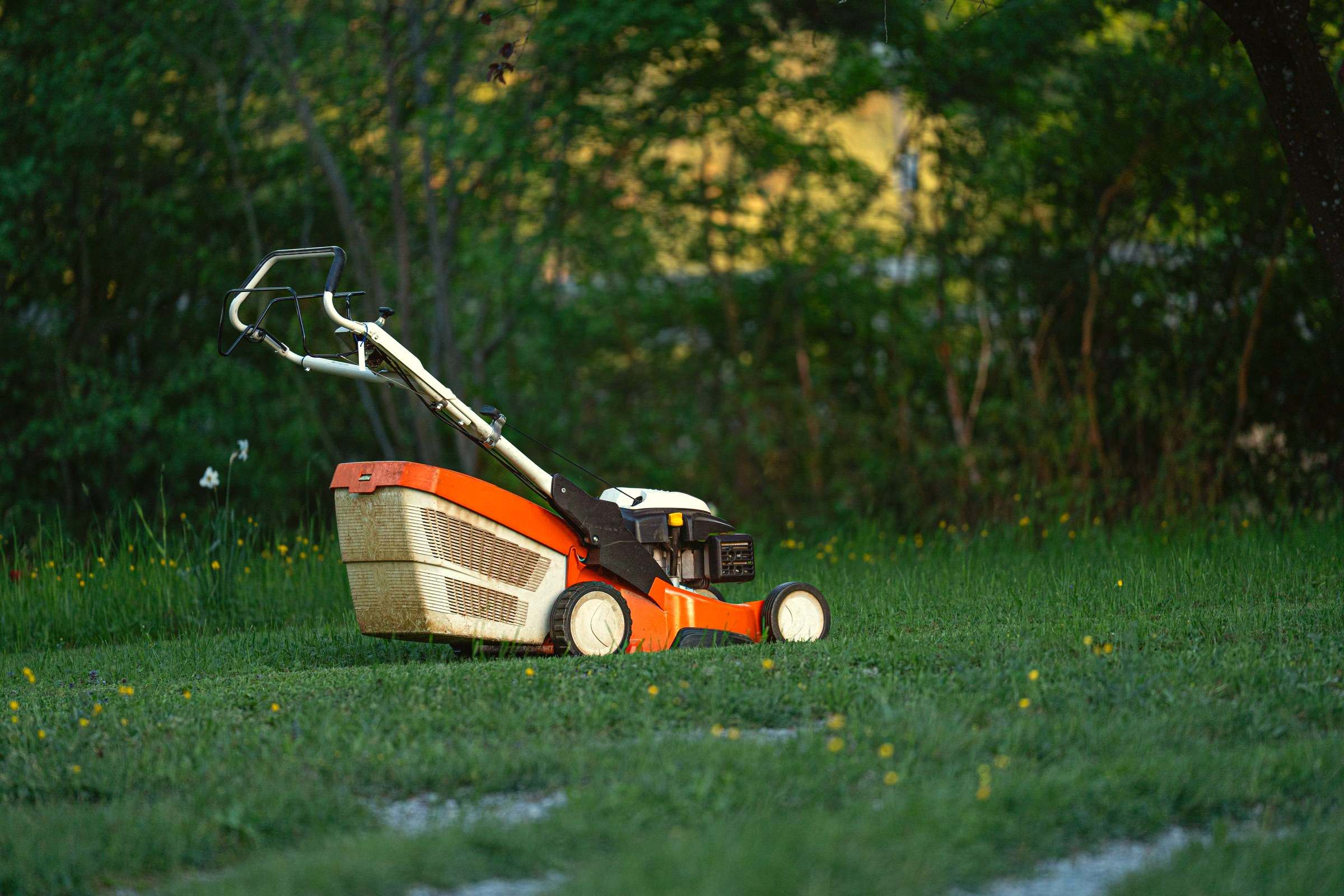
The Best Lawn Mowers for 2026, Matched to the Yard You Actually Have
Start with your lot, not a brand badge. Here is how we would shortlist a walk-behind, a value gas mower, and a zero-turn for 2026.
Also on this desk

The Best Push Mowers for 2026 (Reel, Battery, and Gas)
Six push mowers, battery, gas and reel, with maker specs, a calculator that turns rated minutes into square feet, and what owners report after a season or two.
Updated November 2026
The Best Zero-Turn Lawn Mowers for 2026, Without Buying Too Much Machine
Zero-turns save time on open ground. They also demand a garage bay and a reasonably even lot. Here is how to size one honestly.
Updated November 2026This desk follows the order most lists skip. The lawn mower guide starts with the lot and then shortlists a walk-behind, a value gas mower and a zero-turn for 2026. The push mower guide goes deeper on six models across battery, gas and reel, with maker specs and a calculator that turns rated minutes into square feet. The zero-turn guide helps you size a machine honestly: zero-turns save time on open ground, but they demand a garage bay and a reasonably even lot.
If you are still choosing between power types, the gas vs. electric guide compares them on cut quality, runtime, noise, maintenance and cost of ownership. Battery walk-behinds now cut cleanly enough, start easily enough and share packs widely enough to be the default for a lot of suburban yards; gas is the choice you make for specific reasons such as runtime, price, terrain or a shop you already trust. For upkeep, see how to sharpen the blade and how to winterize the mower.
How we choose: each guide is framed around a job, the shortlist stays short, and we read manufacturer spec sheets and warranty terms line by line, then look for complaints that keep coming back in long-running owner threads. There is no test field or mowing trial behind these pages, and the guides say so. Retailer links can pay a commission, but that never decides where a machine lands on a list. How we research · How we earn
By the Top Yard Tools desk · Updated
Questions readers ask
What is the best lawn mower for most suburban yards?
For a flat or gently sloped lot up to about a third of an acre, a 21-inch battery self-propelled mower is the default recommendation in 2026. It starts easily, cuts quietly, and skips oil changes. Step up in battery size, or add a second pack, as you approach a half-acre.
How wide should the mowing deck be?
Twenty to twenty-two inches is the sweet spot for most walk-behind mowers. Go narrower only if you have tight side yards and a small shed. Once you are regularly spending more than an hour on a walk-behind, look at a 30-inch walk-behind or a compact zero-turn.
When do I need a zero-turn instead of a walk-behind?
When a weekly walk-behind mow regularly takes more than about an hour, or when the lot is a half-acre or more of reasonably open ground. The time savings are real. The storage and budget are also real.
Free checklist
Get the yard-tool buyer checklist
A one-page checklist for mowers, trimmers, blowers and washers, plus a deal-watch sheet. We'll email it after you confirm, then a Thursday brief.