Yard Gear
Wheelbarrows, garden hoses, and the supporting gear that makes the mower and trimmer useful — chosen for durability, not catalog photography.
Quick answer
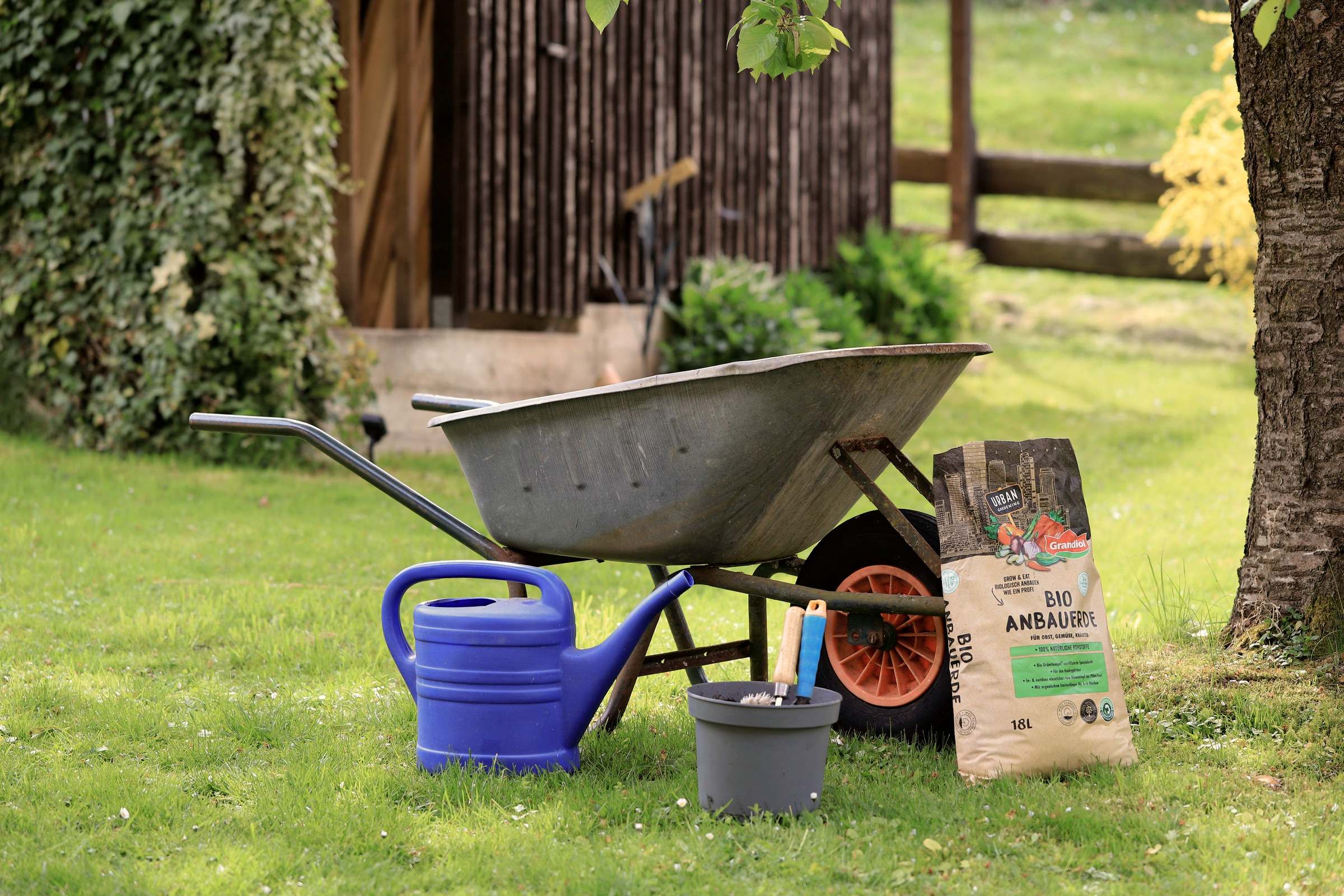
Start with the job: a hybrid-polymer 5/8-inch hose cut to the path you actually walk, and a wheelbarrow matched to what you haul, with steel for gravel and wet soil and a dump cart for leaves or mulch over a long lawn.
The Best Garden Hoses for 2026, Chosen by Length, Diameter, and What Doesn’t Kink
A garden hose is a simple product that fails in predictable ways: cheap vinyl, wrong diameter, leaky fittings, and a coil that never quite unkinks. Here is how to buy one you will still like in August.
Also on this desk
This desk covers the unglamorous workhorses. The garden hose guide is about diameter, length, material and fittings, with an honest paragraph on expandable and metal hoses, and shortlists the Flexzilla 5/8-inch, the Gilmour Flexogen and the Zero-G lightweight hose.
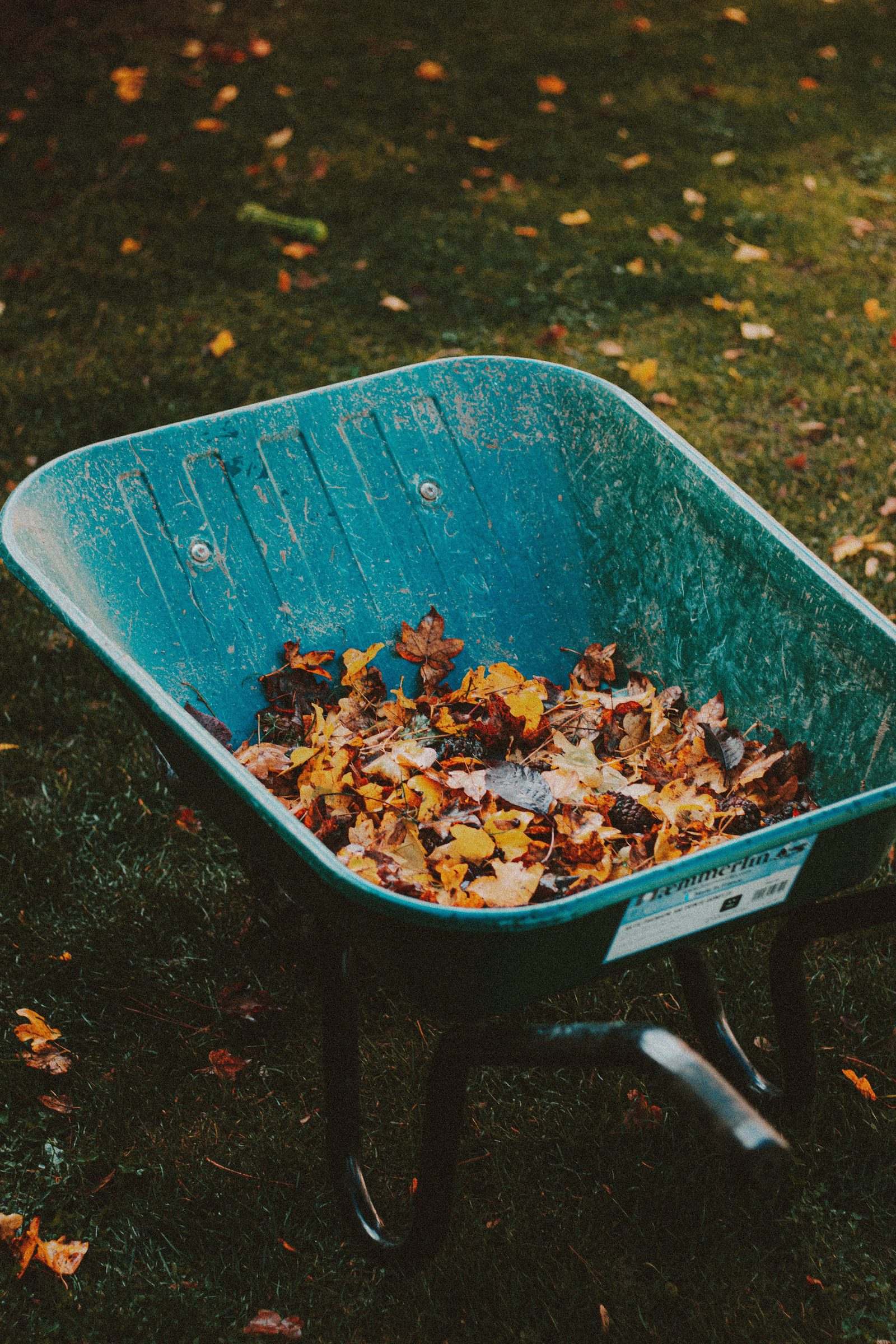
The wheelbarrow guide starts from what you are actually hauling and the parts that actually fail, and shortlists the Jackson 6-cubic-foot steel barrow, the Worx Aerocart and the Gorilla Carts poly dump cart, including when a dump cart is the better tool than a wheelbarrow.
How we choose: each guide is framed around a job, the shortlist stays short, and we read manufacturer spec sheets and warranty terms line by line, then look for complaints that keep coming back in long-running owner threads. There is no test field or mowing trial behind these pages, and the guides say so. Retailer links can pay a commission, but that never decides where a machine lands on a list. How we research · How we earn
By the Top Yard Tools desk · Updated
Questions readers ask
What diameter garden hose should I buy?
Five-eighths inch is the default for most homes: enough flow for a sprinkler or a nozzle without the heft of a 3/4-inch contractor hose. A 1/2-inch hose is lighter and fine for a watering can or a short run, but it starves many sprinklers and some pressure-washer supply demands. Go 3/4 inch only if you have a reason, usually long runs or high-flow tools.
How long a garden hose do I need?
Measure the actual path from the spigot, around the corners you really walk, to the farthest bed or the driveway. Then add a little slack. A 25-foot hose is right for a patio. Fifty feet is the usual suburban default. A hundred feet is useful and heavier, and it still will not reach if you measured in a straight line through the house.
What size wheelbarrow do I need?
A 6-cubic-foot tray is the homeowner and jobsite standard for soil and gravel. Smaller 4-cubic-foot trays are lighter and easier to store. Larger trays move more leaves and mulch but get very heavy once you add wet material — the rating that matters is not just volume, it is what you can safely push and tip.
Free checklist
Get the yard-tool buyer checklist
A one-page checklist for mowers, trimmers, blowers and washers, plus a deal-watch sheet. We'll email it after you confirm, then a Thursday brief.