Quick answer
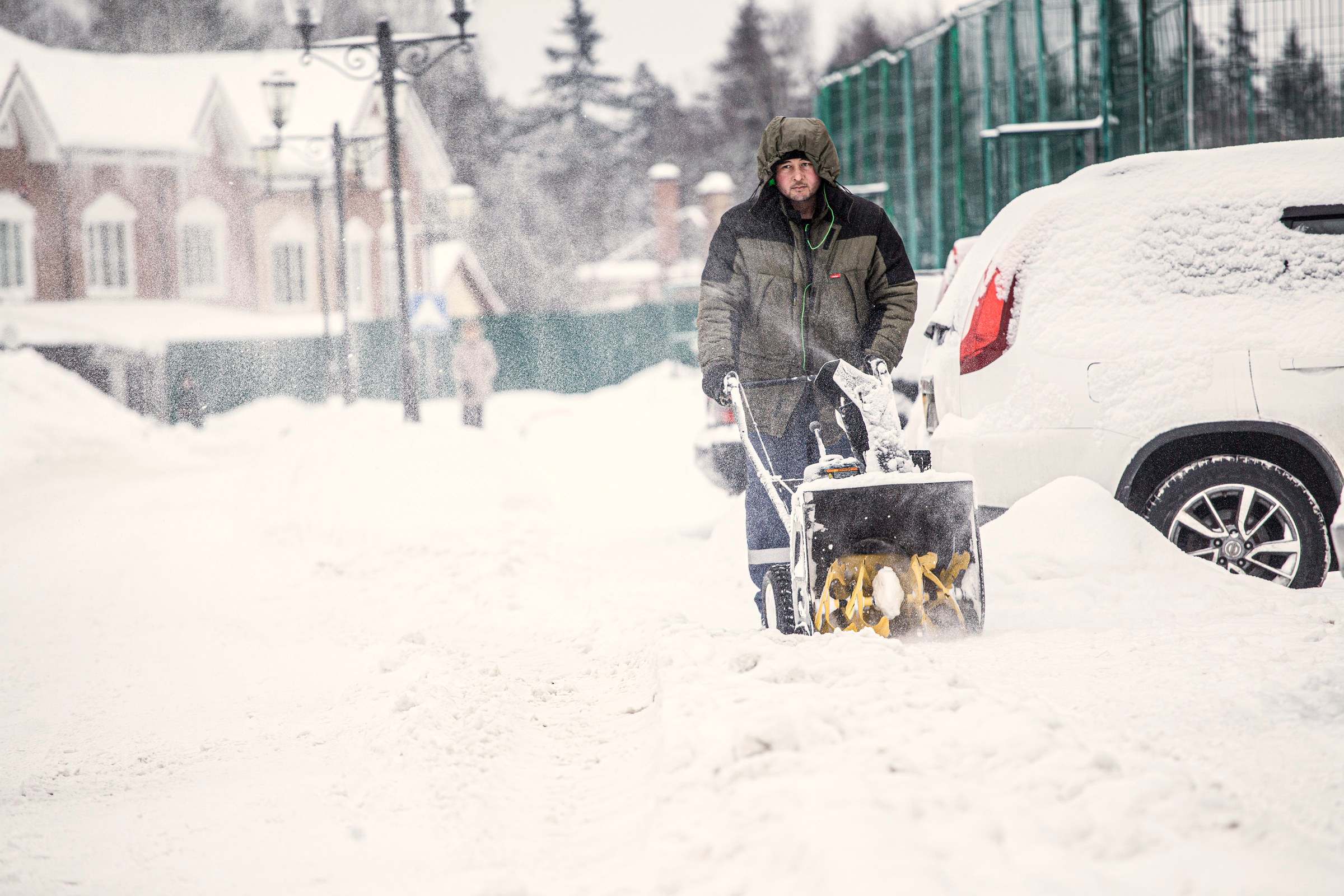
A two-stage gas machine is the default for a real driveway in serious snow; a battery two-stage or compact electric fits smaller storms and lots. Decide by driveway length, typical (not record) storm depth and wetness, storage space and any battery platform you own.
Quick picks
- Ariens Deluxe 24 / 28 Two-Stage · Best gas two-stage snow blower for most driveways
- Toro Power Max Two-Stage · Best alternative two-stage
- EGO Power+ Two-Stage Snow Blower · Best battery snow blower
- Snow Joe 22-Inch Electric Snow Blower · Best light-duty electric snow blower
How this shortlist was made: no test farm here. We begin with the job (lot size, slope, noise limits, the battery platform you may already own), then weigh published specs, warranty terms and owner feedback that repeats over time. Retailer links can earn us a commission; see how we earn.
A snow blower is a winter mower. The mistake is shopping it like a trophy: widest deck, biggest engine, a throwing-distance number that was measured in light, dry powder on a calm day.
The useful questions are smaller. How long is the driveway? How deep and how wet is a typical storm, not the once-a-decade poster storm? Where will this machine live in July? Do you already own a battery platform that could pull a quiet two-stage down the walk at 5 a.m. without waking the block?
This guide starts with the lot and the climate, then shortlists classes that show up for good reasons: a homeowner gas two-stage, its closest mainstream peer, a battery two-stage for people already in that ecosystem, and a light electric for decks and shallow powder. We do not run a test farm, and we will not invent a throwing-distance champion.
Single-stage, two-stage, and the storm you actually get
Single-stage machines use an auger that both gathers and throws the snow, usually with a rubber or polymer paddle that rides on the pavement. They are lighter, cheaper, and good at shallow to moderate snow on a clean, paved surface. They are not happy in deep, heavy, wet snow, and they are the wrong tool on gravel.
Two-stage machines use an auger to collect and an impeller to throw. They sit on skid shoes and a scraper bar rather than paddling the pavement, so they can be set up for heavier snow and, with care, for gravel. For a typical suburban driveway in a place that actually winters, this is the default class.
Three-stage units add an accelerator in the middle and are aimed at heavier, more frequent work. Most households will not need one. If you are shopping in that aisle, you probably already know why.
Battery and corded electrics now include both compact single-stage machines and, in a few platforms, serious two-stage units. A corded 18- to 22-inch electric is a deck-and-sidewalk tool. A 56-volt two-stage is a different conversation.
Match width, depth, and throwing talk to the driveway
Measure the drive, the apron, and the garage opening. A 28-inch machine is faster on a wide, open two-car drive and a nuisance in a tight side yard or a one-car garage already holding a mower. A 24-inch two-stage is the frequent sweet spot.
Intake height and auger design matter in the storm that drifted overnight. Brochure “clearing widths” do not include the times you make a second pass because you left a ridge.
Throwing distance in ads is a best-case number. Wind, wet snow, a clogged chute, and a lazy impeller will all shrink it. What you want is a chute you can aim from the handles, a deflector you can adjust with gloves on, and enough authority to put the snow where it will not have to be moved twice — not over the neighbor’s freshly cleared walk, and not into the wind and back at your face.
Self-propel is not a luxury on a two-stage; these machines are heavy. Multiple forward speeds, a sane reverse, and steering that does not feel like wrestling a sack of wet sand are worth checking in person if you can.
Features that change a cold morning
- Electric start (plug-in or battery) on a gas machine is worth having in a climate where 6 a.m. is 10 degrees.
- Heated grips sound like a gimmick until you have done a long drive in a wind.
- A chute control you can use with gloves. A stiff crank at mid-back height is how people stop aiming.
- Headlights if you leave for work before dawn, which, in January, you do.
- Skid shoes and a replaceable scraper bar. These are wear parts. You want to be able to buy them later.
- A cab is a commercial or large-property feature, not a suburban default.
And the unromantic one: where it will live. A two-stage snow blower is roughly the footprint of a wide walk-behind mower, and heavier. Measure the shed.
2026 shortlist
Best gas two-stage for most driveways: Ariens Deluxe 24 / 28 class
Ariens has been in this job for a long time, and the Deluxe (and close siblings) is the homeowner two-stage a lot of dealers will still stand behind. Choose 24 or 28 inches by driveway and storage, not by showroom pride. Look at electric start, chute controls, and whether heated grips come on the trim you are actually buying. It is overkill for a short, light-snow sidewalk. It is the right shape of machine for a real suburban drive in serious snow.
Best alternative two-stage: Toro Power Max class
Toro’s Power Max family is the other machine you should drive, metaphorically, before you pay. Dealer and retail availability is broad, and many households already trust the brand from a lawn mower. Compare steering, chute controls, and service nearby against the Ariens, not a brochure throwing-distance. Feature packages vary by year; read the current sheet.
Best battery snow blower: EGO Power+ two-stage class
This is the battery machine that made gas owners look twice. It will not equal a large gas two-stage in the worst, wettest storm, and runtime in heavy snow can demand a second pack. For many suburban lots — especially if 56-volt EGO batteries already run the mower and the blower — it is the quiet, no-fuel shortlist, and it starts at an hour when a carburetor would like a discussion.
EGO and its peers also sell single-stage battery units. Those are closer to a premium version of the compact electric below, not a substitute for the two-stage if your storms are serious.
Best light-duty electric: Snow Joe 18- to 22-inch class
A compact corded or small-battery machine is the honest tool for decks, short walks, and light powder. It is not a long, plowed-in driveway tool, and a corded model adds a cable you can absolutely run over. If your winter is four inches twice a year, this class (or a good shovel and a roof rake) may be the whole answer.
Honda, Cub Cadet, and other dealer lines also make excellent two-stage machines. If you have a dealer you trust, go handle theirs. We will not invent a lab ranking we did not run.
How to use one without packing the chute
Let the machine eat a depth it can throw. In a heavy storm, it is faster to go in layers, or to start before the snow has set like concrete at the end of the drive, than to stall the auger in a single heroic pass. If the chute clogs, shut the machine down, wait for everything to stop, and clear it with a stick, not a gloved hand.
Aim the chute with the wind when you can. Do not throw snow into the street if a plow is only going to throw it back, unless you like doing the apron twice. On gravel, raise the shoes so you are not mining the driveway and firing it through the living-room window.
Gas machines need fresh fuel and a winter oil habit, and they hate being stored with a tank of stale gas — the same moral as winterizing a mower. Battery packs prefer to spend the off-season indoors at a mid-level charge, then come out for the storm.
Shear pins, skid shoes, and the mid-winter service
Two-stage machines often use shear pins in the auger. They are designed to break when you eat a newspaper box, a brick, or a hidden curb, so the gearbox does not. Keep spares in the garage, plus the tool to change them, because they fail at the least convenient time. If you “upgrade” to a harder bolt, you have not improved the machine; you have moved the failure into a more expensive part.
Check skid shoes and the scraper bar as they wear. Running a machine down to the housing is how you start throwing sparks and rocks. In the off-season, treat fuel or drain it, and store the battery packs indoors. A snow blower that will not start after the first storm is usually a fuel or battery-storage problem, not a personality problem.
After a plow goes by, the end of the driveway is often a ridge of packed, icy snow with gravel in it. Many people shovel or chip that apron and use the machine on the rest. Forcing a compact electric into a plow ridge is how those machines die young.
A buying sequence that wastes less money
- Measure the driveway, the tightest gate, and the storage slot.
- Be honest about typical storm depth and wetness, not the storm you remember from 2016.
- Choose single-stage, two-stage, or “a shovel is enough.”
- Inventory batteries you already own.
- Buy the width you can store, electric start if it is gas, and a second battery if it is cordless. Skip the widest machine on the lot until those are settled.
A snow blower is a seasonal machine that has to work on the worst morning of the month, in gloves, in the dark. Buy the class that matches that morning, not the class that looks toughest under the showroom lights. When it is the right size, you will wonder why you ever tried to be a hero with a shovel after eight inches of wet snow. When it is the wrong size, you will have bought a very expensive roommate for the garage.
The lineup, compared
| Model | Power | Width | Best for | Typical price | Where to buy |
|---|---|---|---|---|---|
| Ariens Deluxe 24 / 28 Two-Stage Best gas two-stage snow blower for most driveways | Gas, two-stage | Often 24 or 28 in. | Suburban driveways, heavier snow | Typically $1,200–$2,000 depending on width and features | Check price |
| Toro Power Max Two-Stage Best alternative two-stage | Gas, two-stage | Often 24–28 in. class | Driveways, mixed winter weather | Typically $1,200–$2,200 | Check price |
| EGO Power+ Two-Stage Snow Blower Best battery snow blower | 56V battery, two-stage class | Often 24 in. class | Suburban lots, existing EGO owners | Typically $800–$1,500 as a kit, depending on width and batteries | Check price |
| Snow Joe 22-Inch Electric Snow Blower Best light-duty electric snow blower | Corded or compact battery | 18–22 in. class | Decks, sidewalks, light snow | Typically $120–$300 | Check price |
Ariens Deluxe 24 / 28 Two-Stage
A widely supported two-stage family with intake widths that make sense on a typical suburban driveway. Look at heated grips, electric start, and whether you need 24 or 28 inches more than you need the widest machine on the lot.
- Power
- Gas, two-stage
- Width
- Often 24 or 28 in.
- Best for
- Suburban driveways, heavier snow
Worth it for
- Two-stage design handles heavier, wetter snow than a single-stage
- Strong brand reputation and dealer support
- Multiple widths so you can match the driveway, not the showroom
Think twice if
- Heavy to muscle around and to store
- Overkill for a short, light-snow sidewalk
Toro Power Max Two-Stage
Toro’s Power Max (and close siblings) is the other homeowner two-stage to compare whenever Ariens is in the cart. Judge steering, chute controls, and local dealer support rather than brochure throwing-distance.
- Power
- Gas, two-stage
- Width
- Often 24–28 in. class
- Best for
- Driveways, mixed winter weather
Worth it for
- Broad retail and dealer availability
- Thoughtful chute and steering options on higher trims
- A brand many households already know from mowers
Think twice if
- Feature packages vary a lot by model year — read the current spec sheet
- Still a large, heavy machine to store
EGO Power+ Two-Stage Snow Blower
The battery two-stage that made a lot of gas owners look twice. It will not match a large gas machine in the worst, wettest storm, but for many suburban driveways — especially if EGO packs already live in the garage — it is the quiet, no-fuel shortlist.
- Power
- 56V battery, two-stage class
- Width
- Often 24 in. class
- Best for
- Suburban lots, existing EGO owners
Worth it for
- No gas, no winter carburetor drama
- Shares 56V packs with the rest of an EGO yard set
- Two-stage models handle more than a basic single-stage electric
Think twice if
- Runtime in wet, heavy snow can demand a second pack
- Kit price is not a bargain compared with a basic gas two-stage
Snow Joe 22-Inch Electric Snow Blower
A corded or compact battery 18- to 22-inch machine is the honest tool for decks, short walks, and light powder — not for a long, plowed-in driveway after a wet nor’easter.
- Power
- Corded or compact battery
- Width
- 18–22 in. class
- Best for
- Decks, sidewalks, light snow
Worth it for
- Light, cheap, and easy to hang
- Fine for shallow snow and tight spaces
- No fuel or oil to store
Think twice if
- Corded models are tied to an outlet and a cable you can run over
- Overmatched by deep or heavy snow
Free checklist
Get the yard-tool buyer checklist
A one-page checklist for mowers, trimmers, blowers and washers, plus a deal-watch sheet. We'll email it after you confirm, then a Thursday brief.
Reader questions
- Do I need a single-stage or two-stage snow blower?
- Single-stage machines are lighter and fine for modest depths of lighter snow on paved surfaces. Two-stage machines use an auger plus an impeller and handle deeper, heavier, or wetter snow, and they are the default for a typical suburban driveway in serious winter country. Three-stage units exist for even heavier work.
- Is a battery snow blower worth buying?
- Yes, if your driveway is a typical suburban size, your snow is usually not a wet, bumper-high slog, and especially if you already own a compatible battery platform. A battery two-stage will not match a large gas machine in the worst storm, but it starts instantly and skips winter carburetor drama.
- What width snow blower should I buy?
- Measure the driveway and the garage door. Twenty-one to twenty-four inches is common for compact and battery machines; twenty-four to twenty-eight inches is the usual homeowner two-stage range. Wider is faster on a wide, open drive and miserable to store and to thread between cars.
- Can I use a snow blower on gravel?
- A single-stage machine that scrapes a paddle on the pavement is a poor fit for gravel; it will throw stones. A two-stage with adjustable skid shoes can be set to ride slightly above a gravel drive. You will still pick up some rock if you set it too low.
- When is a shovel still the right tool?
- A short walk, a tight deck, a building that gets four inches twice a winter, or a household that cannot store a machine the size of a small mower. Buying a two-stage for a 20-foot sidewalk is how sheds fill with good intentions.